ServicesInherited Property Buying
Inherited Property Buying in Upper, NJ
Once a house passes to the family, the tax, insurance and utility bills keep arriving while the estate paperwork moves slowly. We buy inherited property as-is for cash and set the closing around probate and the tax waiver, so the heirs can plan with real dates.
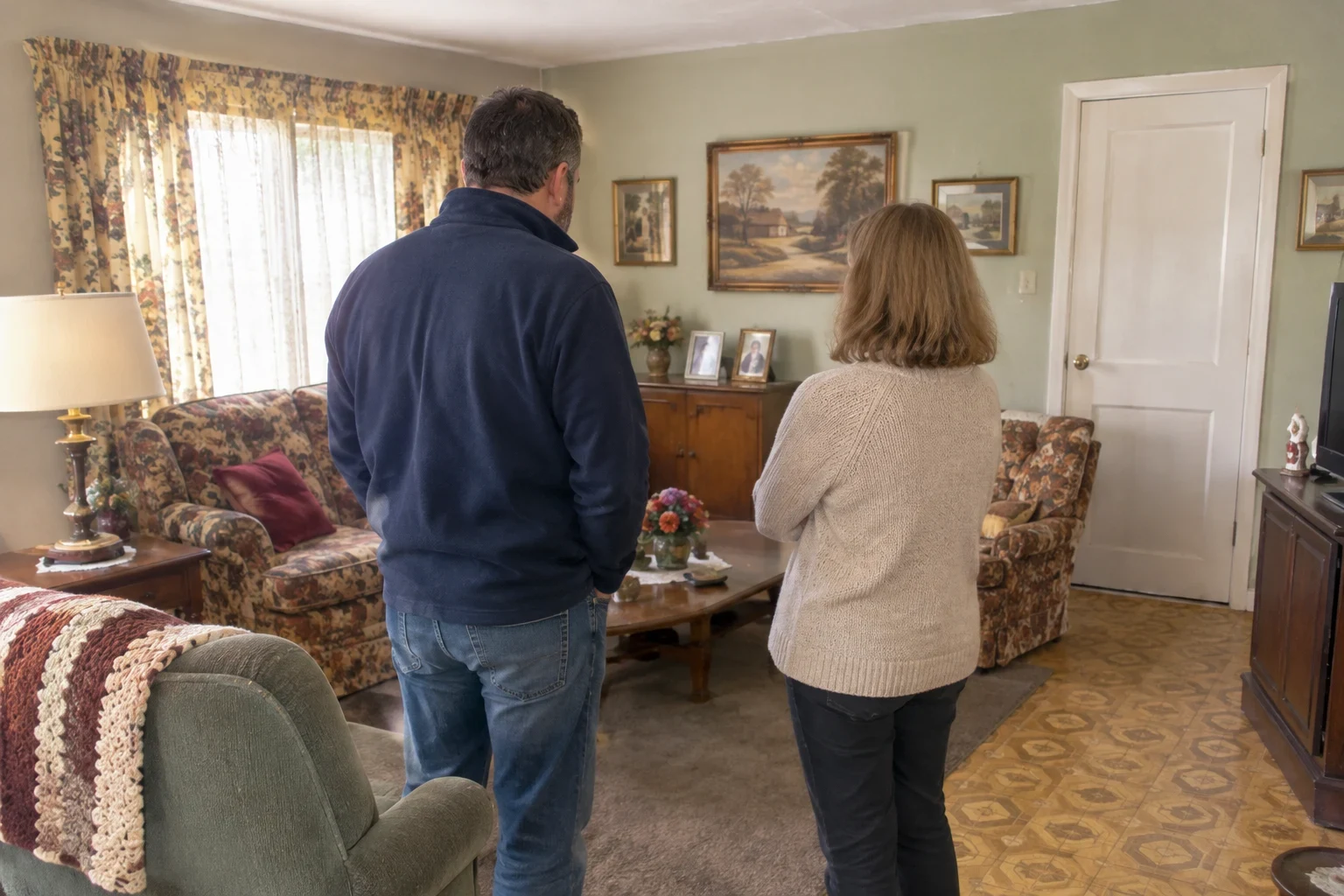
A cash sale built around how estates actually move
When someone passes, the house usually can't be sold the next week. In New Jersey the executor first needs letters testamentary from the county surrogate, or an administrator needs letters of administration if there was no will. Real estate in an estate also generally needs an inheritance tax waiver before it can transfer. For a spouse or child that is often a short affidavit. For other heirs it can take longer.
We buy inherited property for cash, with no repairs and no cleanout required. The useful part is the planning. If you call us early, we can tell you what the house is worth to us now, which documents the title company will ask for, and roughly when a closing becomes possible. That lets the heirs decide on facts instead of waiting on a vacant house that keeps costing money.
We work alongside the estate's attorney and accountant. We don't give legal or tax advice, but we can explain what each step means for the sale.
What our inherited property purchase covers
A written cash offer
You get a free cash offer in writing, with the price and the terms on one page. There are no commissions or hidden fees taken out of it later.
The contents stay where they are
Take the photos, the papers and the pieces the family wants. We clean out the property for you after that, from the attic boxes to the basement freezer.
No repairs, no inspections to pass
You sell as-is. A dated electrical panel, galvanized supply lines or a roof near the end of its life are factored into our number, not handed back to you as a list of demands.
Closing costs paid
We pay closing costs, including the title work on our side. Any mortgage, tax lien or utility balance is paid off from the proceeds at the closing table, so no heir writes a check up front.
A closing date the estate can hit
We can close in as little as 7 days once the paperwork is in place, or hold the date later while probate or the tax waiver finishes. You pick the closing date.
When a cash sale fits the estate's situation
Carrying costs keep adding up
Property tax, insurance, electric and heating bills arrive every month, occupied or not. Many insurers also limit coverage once a house has stood vacant for a while, leaving the estate with more exposure.
The family is spread out
With siblings living in different states, lining up contractors and showings gets complicated fast. One cash buyer, one closing and documents signed by mail through the title company cut that down to a few calls.
Years of put-off maintenance
An aging owner may have delayed replacing a tired furnace, fixing failed roof flashing or dealing with cast iron drains that have begun to scale and crack. Those problems get worse in an empty house, especially when shore-area summer humidity sits in closed rooms and starts mold growth.
An old underground oil tank is possible
Plenty of older New Jersey houses were heated by oil stored in a buried tank. Buyers financing with a lender often need a tank sweep or removal first. We can buy without that question being settled.
No one can take on the cleanout
Sorting decades of belongings can eat up many weekends. If the family wants to keep a few pieces and let the rest go, the cleanout is ours to handle.
From the first conversation to the closing table
- 1
We learn where the estate stands
On the first call we ask about the property and the estate's status: whether there is a will, whether letters have been issued yet, and who inherits. Those answers tell us which documents the title company will want.
- 2
Walkthrough on site or over video
We check the roof, the heating and electrical systems, the foundation and any evidence of water. An heir who lives out of state can show us around by video, or a relative can meet us at the property.
- 3
The cash offer, explained in writing
We break down how we reached the price, item by item, so each heir can follow the math. Nobody is asked to sign on the spot.
- 4
Clearing title and estate paperwork
After you accept, the title company searches for liens and confirms the executor's authority and the tax waiver. We update the estate's attorney as each item is resolved.
- 5
Closing on the date you picked
The executor signs, the payoffs come out of the proceeds and the estate receives the balance. If the cleanout was part of our agreement, we take care of it after closing.
What shapes our offer on an inherited house
There are no fees taken from you, so the only number that matters is the offer itself. That number depends on what the property will be worth after work and how much work it needs to get there. We show you each factor so the heirs can compare it fairly.
- Condition of the major systems
- Roof age, the heating plant, the electrical service and the plumbing material carry the most weight. Replacing a 60-amp panel or old galvanized lines costs far more than paint and carpet.
- Water and structure
- Basement seepage, sill plate rot and foundation cracks change the offer the most, because they have to be fixed before anything else.
- Environmental questions
- A suspected underground oil tank, asbestos pipe wrap or old vermiculite insulation adds testing and removal cost that we account for upfront.
- Liens and estate timing
- Unpaid taxes, a reverse mortgage or a long wait for the tax waiver don't lower the value of the house, but they affect the closing schedule and what reaches the heirs.
What heirs want to know before selling
Something not covered here? (609) 765-1612
Is it possible to sell while the estate is still in probate?
Planning can start right away, including getting our offer in writing. A binding contract and a closing need the executor or administrator to hold letters from the county surrogate, and the title company will usually ask for the inheritance tax waiver too. Families who reach us early often have the closing scheduled for the week those papers come through.
The heirs disagree about selling. What happens then?
Everyone with legal authority must sign. That is usually the executor, and if there was no will it can mean every heir. We will put the numbers on paper and walk through them on one call with the whole family, which tends to resolve most of the friction.
Does an unpaid mortgage stop the sale?
It does not. The title company pays the remaining loan balance out of the proceeds at closing, together with any property tax or utility amounts owed. Whatever is left goes to the estate.
Does the family need to clear everything out before closing?
No. Remove the items the family wants to keep, and we clean out the property for you once the sale closes. Everything left inside becomes ours to deal with.
Is the estate going to owe tax because of the sale?
It depends on the estate and on each heir, so the estate's accountant or attorney is the right person to answer. Inherited property often receives a stepped-up basis, which can shrink any capital gain, but we will not guess for you. We supply the closing statement your advisers need.
I live in another state. Can I still handle the sale?
Yes. The walkthrough can happen over a video call, and the title company can ship the closing documents to you for signing in front of a notary near where you live.
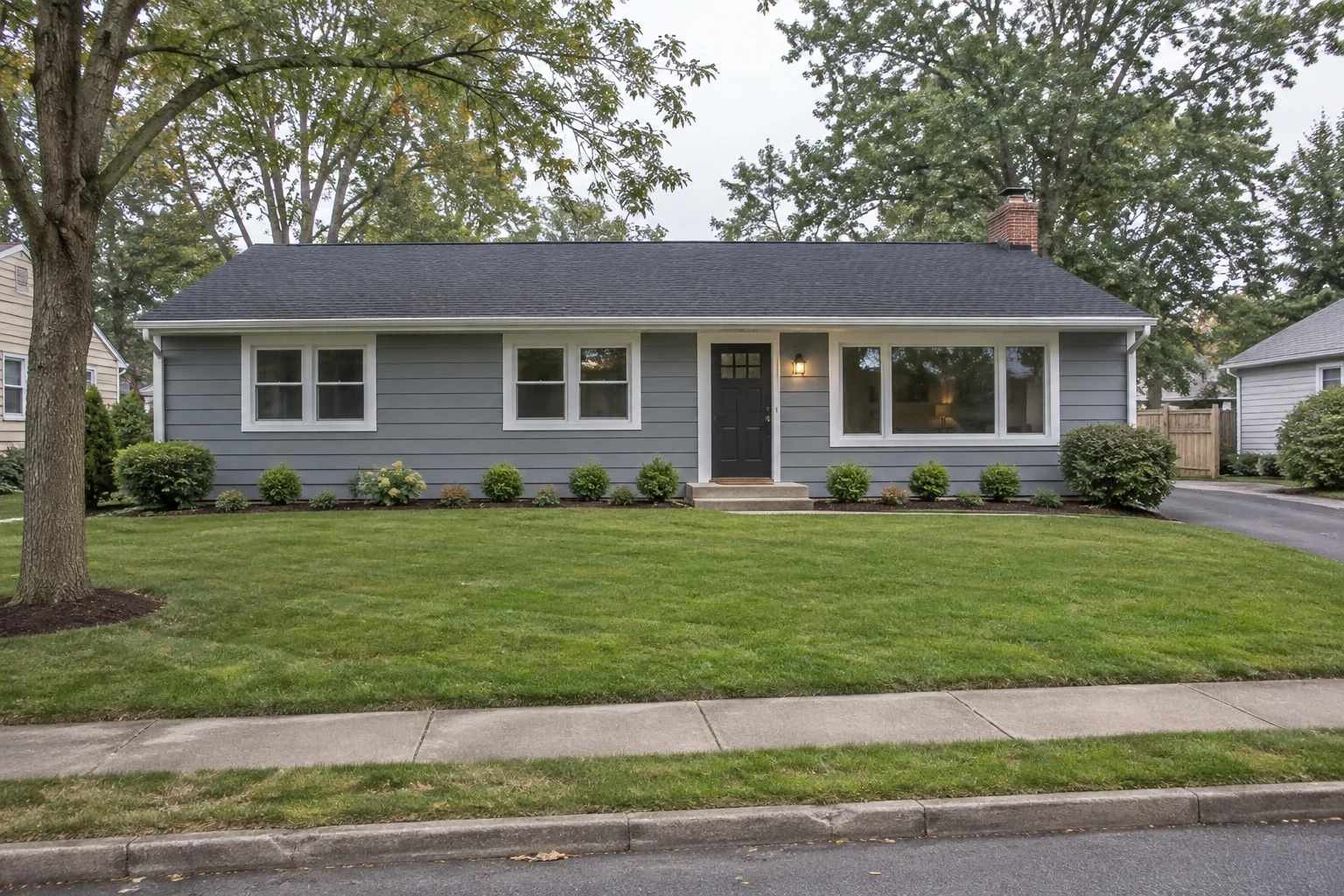
Start planning the sale before the next tax bill
A short call tells you what the property is worth to us and when a closing is realistic for the estate. The offer is free, and you decide what to do with it.